

This photo taken on 新长沙新闻网Feb 21, 2024 shows the Kinmen bridge and a view of Xiamen in the distance seen from an estuary in Kinmen. [Photo/Xinhua]
Japan is hyping up and contesting China's legitimate oil and gas development activities within its own jurisdictional waters in the East China Sea. Clinging to unilateral maritime claims, Japan has disregarded the fundamental principles of international law and interfered with China's exercise of its maritime rights.
China's development of natural gas fields and the construction of facilities are entirely legitimate activities within its jurisdictional waters.
They align with the United Nations Convention on the Law of the Sea and international practice, and no country has the right to interfere in the matter or criticize these moves.
The core of the East China Sea issue is the longstanding differences between China and Japan regarding the delimitation of the Exclusive Economic Zone, the development of marine resources and maritime strategic interests.
Japan persistently disregards the geographical reality of a natural boundary of the Sino-Japanese continental shelf. Instead, it forcibly promotes a unilateral "median line" claim to impose unreasonable demands on others. This violates the spirit of international law of the sea and runs counter to the fundamental interests of the healthy development of China-Japan bilateral relations.
Tokyo is now trying to escalate the issue through exaggeration and falsehoods aimed at attracting international attention. By claiming that the newly built facilities amount to "unilaterally changing the status quo" it wants to incite hardline domestic sentiment and court external forces to intervene.
This is a brazen effort to squeeze China's maritime rights, seize control over East China Sea resources and undermine regional peace and stability.
Japan's attempts to stir up tensions in the East China Sea have deeper political motives. It wants to divert the attention of the international community from its dangerous tilt toward militarization and the removal of constraints on arms sales.
China's activities in the East China Sea have consistently adhered to legal principles and international law.
The geomorphological and geological features indicate that the continental shelf of the East China Sea is the natural extension of China's landmass, and there is an important geographical unit with distinct characteristics that mark the end of China's continental shelf in the East China Sea.
China's exploration and development of resources within its jurisdictional waters constitute a legitimate exercise of sovereign rights. These activities follow legal procedures and are conducted in an open and transparent manner, forming a complete and standardized chain of evidence that can withstand scrutiny under international law and factual review.
It is a common practice for coastal states to develop natural resources within their jurisdictional waters. Japan's baseless interference and obstruction of these activities reflect a double standard and blatantly unreasonable behavior.
Japan not only violates international law but also distorts facts to mislead the international community.
At the diplomatic level, such moves can have a negative impact on China-Japan relations.
At sea, increased close-range naval and aerial activities heighten the risk of miscalculations and conflict, thereby undermining peace and stability in the East China Sea. At the international level, Japan exaggerates the so-called "China threat" and courts external forces to intervene, which impedes regional cooperation in East Asia.
China has responded to Japan's provocations resolutely, upholding its sovereignty and maritime rights without yielding an inch.
It has firmly rejected Japan's illegal claims, and continues to develop oil and gas resources in the East China Sea. At the same time, China also believes in peacefully resolving maritime disputes, keeping diplomatic communication channels open and managing differences with dialogue.
The approach is not to escalate tensions, but to defend its rights according to the law and persuade others with reason. Authoritative statements, professional analyses, and sustained global engagement are part of the efforts to clarify facts, demonstrate peaceful intentions and earn the support of the international community.
Peace and stability at sea are shared interests of all states in the region, and maritime cooperation benefits both China and Japan.
China has consistently advocated for handling maritime disputes through dialogue and negotiation on the basis of mutual respect. China is willing to engage in constructive dialogue with Japan, and promote practical cooperation in low-sensitivity areas, such as marine environmental protection, maritime search and rescue, and fishery conservation.
Peace and stability in East Asia face numerous challenges today. Maritime cooperation and development are what people desire.
China will continue to adhere to international law, safeguard its maritime rights and promote regional stability. The guiding principle is simple: China does not provoke trouble, nor does it fear it.

交通固定资产投资规模持续高位运行
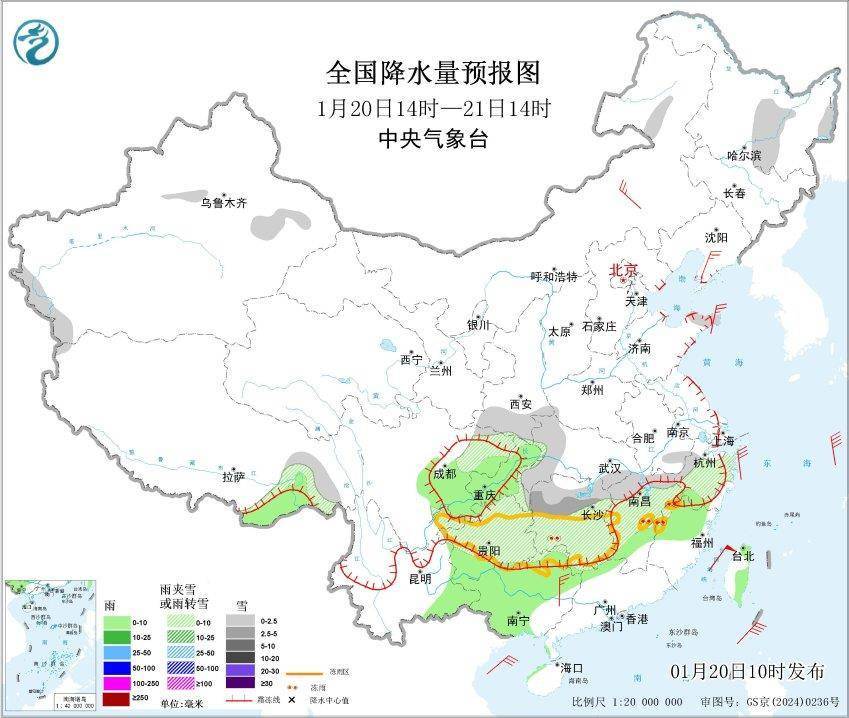
雪什么时候停?湖北最新出行提醒请收好

东湖快语丨打好这场“雪”战②:科技助力,融雪防冻更从从容容、游刃有余
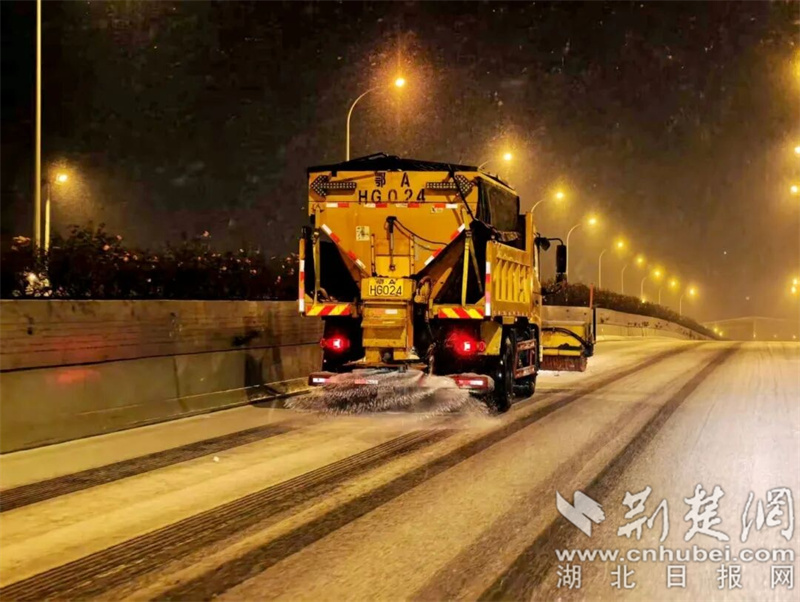
2026年第一场雪来了!洪山城管人冒雪“开战”

中新人物丨“网红”导游迪丽努尔:想做一个小小而结实的桥梁
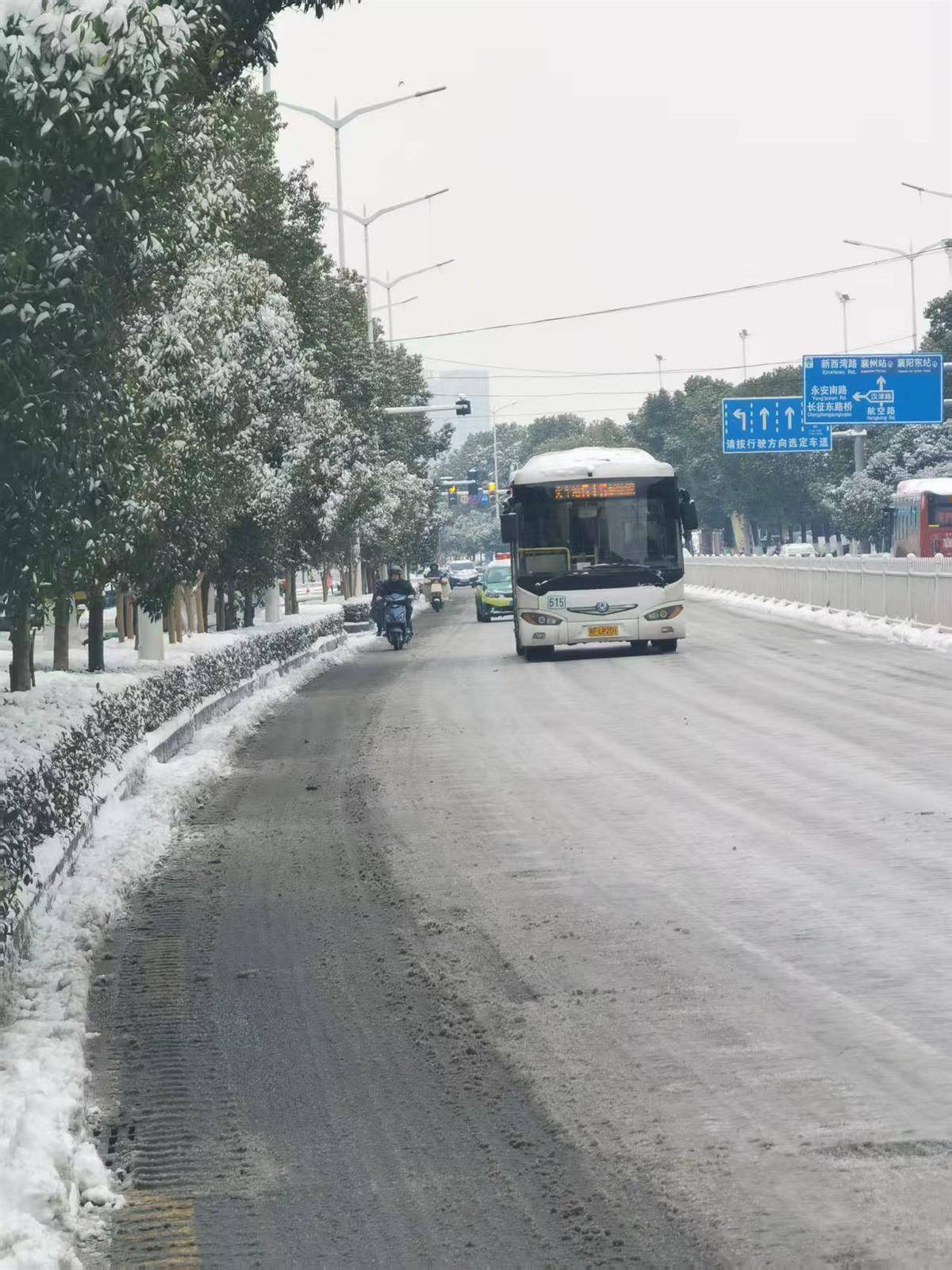
雪天出行紧急提醒!襄阳16条公交线路临时停运

这位意大利籍博主,为何被网友称为“粽子男孩”
迎战寒潮:一线坚守筑牢民生温暖防线

安徽省图书馆入选“国家级古籍修复中心”

跟风办不好“刨猪宴”
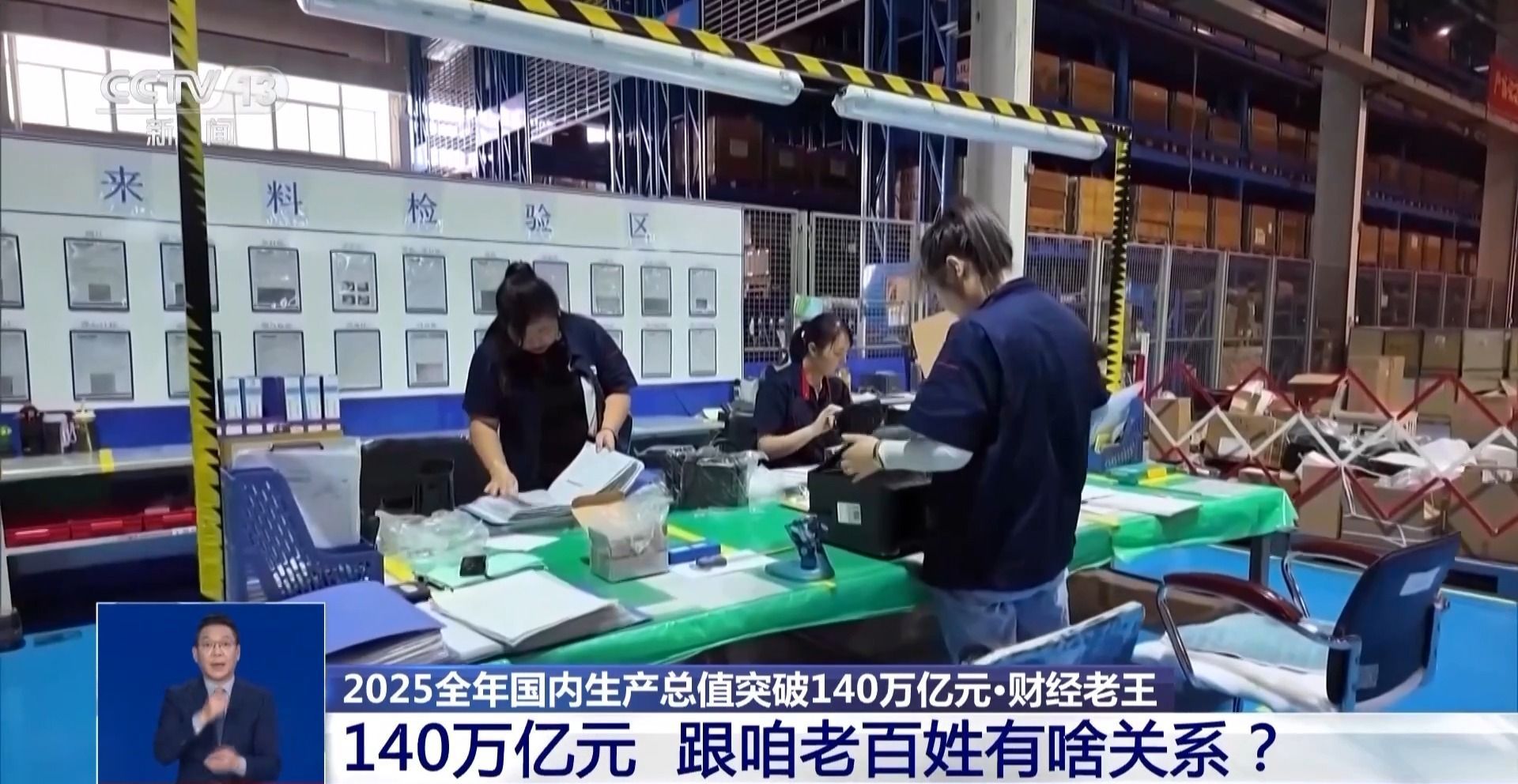
财经老王丨140万亿元 跟咱老百姓有啥关系?
跟风办不好“刨猪宴”

高力:以热爱为桥 做中外音乐产业青年摆渡人
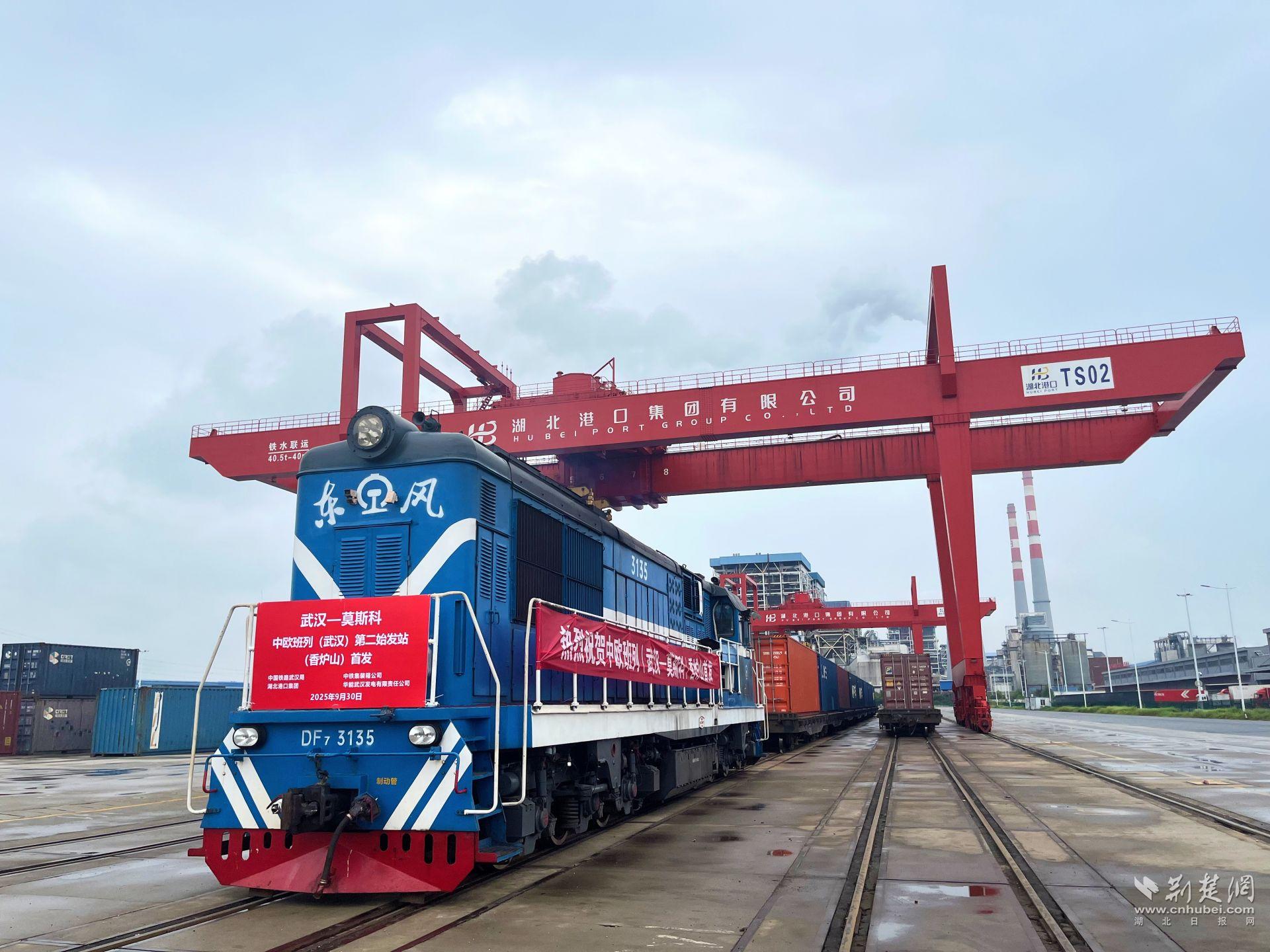
“钢铁驼队”再传捷报 中欧班列(武汉)连续三年开行破千列
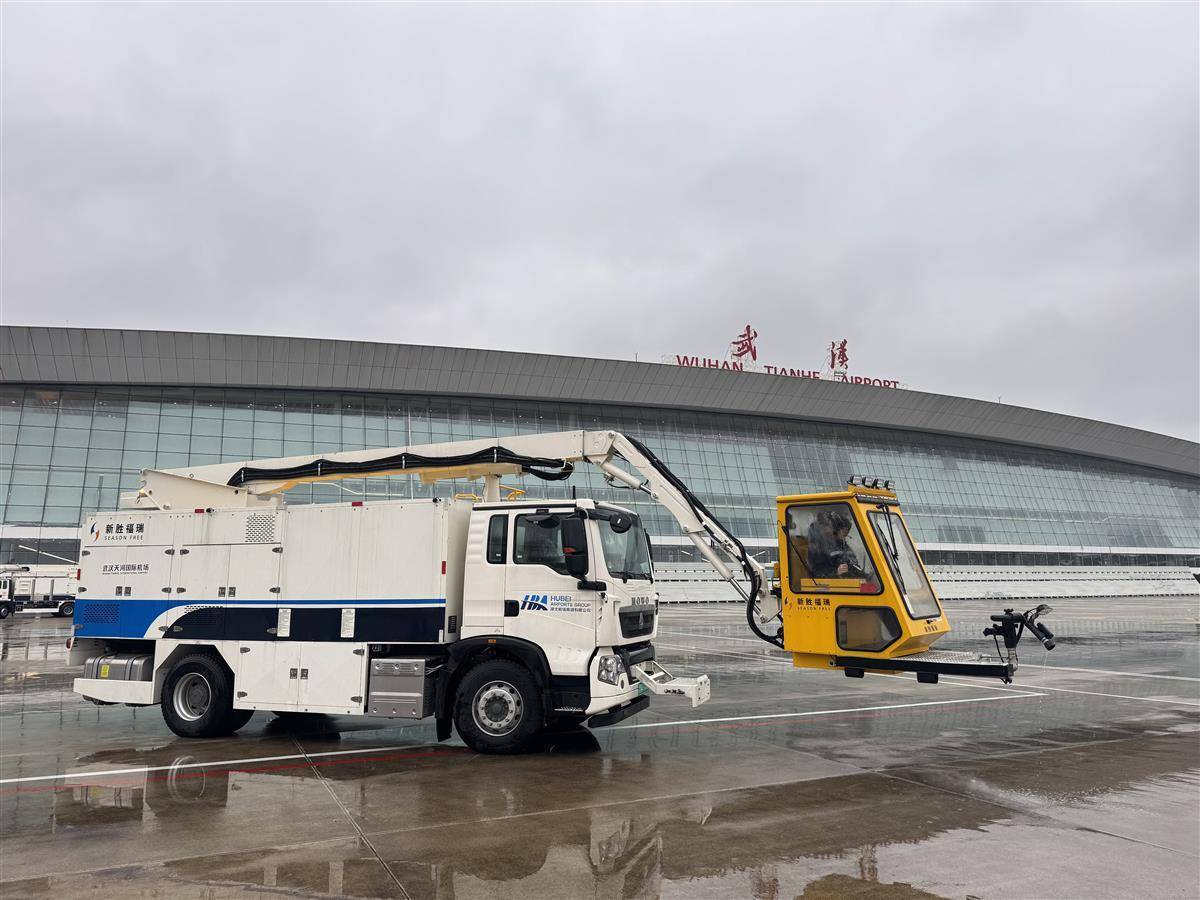
东湖快语丨打好这场“雪”战③:一套战雪“组合拳”,护九省通衢大动脉
Copyright © 2026-now 新蔡最新防疫消息新闻网 版权所有